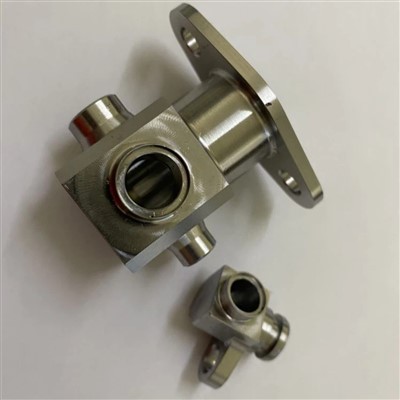
In the dynamic world of manufacturing, Computer Numerical Control (CNC) machine parts play a pivotal role. As a supplier of CNC machine parts, I’ve witnessed firsthand the importance of regulations in this industry. Regulations are not just bureaucratic red tape; they are the backbone that ensures quality, safety, and consistency in the production of these essential components. CNC Machine Parts
The Significance of Regulations in CNC Machine Parts Production
Regulations in the production of CNC machine parts serve multiple crucial purposes. First and foremost, they safeguard the safety of end – users. CNC machines are often used in high – risk industrial environments. Faulty parts can lead to machine malfunctions, which may cause serious accidents, injuries, or even loss of life. For example, a poorly manufactured spindle in a CNC milling machine could break during operation, sending sharp metal fragments flying. Regulations set standards for the materials, design, and manufacturing processes to prevent such dangerous scenarios.
Secondly, regulations ensure product quality. In the global marketplace, customers expect a certain level of performance and reliability from CNC machine parts. By adhering to regulations, manufacturers can produce parts that meet or exceed these expectations. This, in turn, enhances the reputation of the industry as a whole. A part that fails to meet quality standards can lead to costly downtime for the end – user, as well as damage to the manufacturer’s brand.
Moreover, regulations promote fair competition. They create a level playing field for all manufacturers, regardless of their size or location. When all companies are required to follow the same rules, it prevents unethical practices such as using substandard materials or cutting corners in the manufacturing process. This encourages innovation and continuous improvement as companies strive to meet and exceed regulatory requirements.
Types of Regulations
International Standards
There are several international standards that govern the production of CNC machine parts. One of the most well – known is the ISO (International Organization for Standardization) series. ISO 9001, for instance, is a quality management system standard. It requires companies to have a documented quality management system in place, which includes processes for design, production, inspection, and customer service. By obtaining ISO 9001 certification, a CNC machine parts supplier demonstrates its commitment to quality and continuous improvement.
Another important international standard is ISO 13399, which provides a comprehensive system for the classification and designation of cutting tools. This standard helps in the standardization of tool geometry, materials, and performance characteristics. It enables manufacturers and users to communicate effectively about the requirements and capabilities of cutting tools, ensuring compatibility and optimal performance.
National and Regional Regulations
In addition to international standards, many countries and regions have their own regulations for CNC machine parts production. For example, in the European Union, the Machinery Directive (2006/42/EC) sets out the essential health and safety requirements for machinery, including CNC machines. This directive covers aspects such as design, construction, and installation of machinery to ensure the safety of operators and other persons in the vicinity.
In the United States, the Occupational Safety and Health Administration (OSHA) has regulations related to the safety of industrial machinery, including CNC machines. These regulations focus on issues such as machine guarding, electrical safety, and employee training. Manufacturers of CNC machine parts must ensure that their products comply with these regulations to be sold in the US market.
Industry – Specific Regulations
Certain industries have their own specific regulations for CNC machine parts. For example, the aerospace industry has extremely strict requirements for the quality and precision of parts used in aircraft. The Federal Aviation Administration (FAA) in the United States has regulations that govern the design, manufacturing, and testing of aerospace components. CNC machine parts used in the aerospace industry must meet these high – level standards to ensure the safety and reliability of aircraft.
Compliance Challenges
Complying with regulations can be a complex and challenging task for CNC machine parts suppliers. One of the main challenges is keeping up with the constantly evolving regulatory landscape. New standards and regulations are introduced regularly, and suppliers need to stay informed and update their production processes accordingly.
Another challenge is the cost associated with compliance. Implementing quality management systems, conducting tests and inspections, and obtaining certifications can be expensive. Small and medium – sized suppliers may find it particularly difficult to bear these costs. However, non – compliance can lead to even greater costs, such as fines, product recalls, and damage to the company’s reputation.
Ensuring compliance also requires a high level of technical expertise. Suppliers need to understand the detailed requirements of the regulations and have the necessary skills and knowledge to implement them. This may involve investing in employee training and hiring experts in quality control and regulatory compliance.
Our Approach as a Supplier
As a CNC machine parts supplier, we take regulations very seriously. We have a dedicated quality control team that is responsible for ensuring that all our products meet the relevant international, national, and industry – specific regulations. We start by carefully selecting our raw materials from reliable suppliers. We conduct thorough inspections of the materials to ensure they meet the required standards.
During the manufacturing process, we follow strict quality control procedures. Our CNC machines are regularly calibrated to ensure accurate and precise machining. We use advanced inspection equipment, such as coordinate measuring machines (CMMs), to verify the dimensions and quality of the parts. We also conduct various tests, such as hardness tests and material composition analysis, to ensure the integrity of the parts.
To stay updated with the latest regulations, we actively participate in industry associations and attend regulatory seminars and workshops. We also have a system in place to monitor changes in the regulatory environment and make the necessary adjustments to our production processes.
The Future of Regulations in CNC Machine Parts Production
The future of regulations in CNC machine parts production is likely to be shaped by several factors. One of the key trends is the increasing focus on sustainability. As the world becomes more environmentally conscious, regulations are likely to be introduced to promote the use of sustainable materials and manufacturing processes in the production of CNC machine parts.
Another trend is the integration of digital technologies. With the advent of Industry 4.0, there is a growing demand for smart manufacturing solutions. Regulations may be developed to ensure the security and reliability of these digital systems, as well as to standardize data exchange between different components and systems.
In addition, as the global market becomes more competitive, there may be a push for greater harmonization of regulations across different countries and regions. This would make it easier for CNC machine parts suppliers to operate in multiple markets and reduce the compliance burden.
Conclusion

In conclusion, regulations are an essential part of the production of CNC machine parts. They ensure the safety, quality, and reliability of these components, as well as promote fair competition in the industry. As a CNC machine parts supplier, we are committed to complying with all relevant regulations and continuously improving our production processes to meet the highest standards.
Custom Machined Parts If you are in the market for high – quality CNC machine parts, we invite you to reach out to us. We have a wide range of products that are designed to meet the diverse needs of our customers. Whether you are in the automotive, aerospace, or any other industry, we can provide you with the parts you need. Contact us to discuss your requirements and start a productive business relationship.
References
- ISO 9001:2015 Quality management systems — Requirements.
- ISO 13399 – 1:2016 Cutting tools — Data model for cutting tool management — Part 1: General information and reference geometry.
- Machinery Directive 2006/42/EC.
- OSHA regulations related to industrial machinery safety.
- FAA regulations for aerospace components.
Jiaxing Yihe Precision Hardware Machinery Co., Ltd.
We are one of the most professional CNC machine parts manufacturers and suppliers in China, specialized in providing high quality customized service. Please feel free to wholesale CNC machine parts made in China here and get pricelist from our factory. For price consultation, contact us.
Address: Yihui Precision, No. 396, Kangxing West Road, Dayun Town, Jiashan County, Jiaxing City, Zhejiang Province
E-mail: YHJM13600553072@163.com
WebSite: https://www.yiheprecision.com/
