As a seasoned strut bearing supplier in the automotive industry, I’ve witnessed firsthand the critical role these components play in a vehicle’s suspension system. A faulty strut bearing can lead to a host of problems, from poor handling to premature wear of other suspension parts. In this blog post, I’ll share my insights on how to diagnose a faulty strut bearing, drawing on both my technical knowledge and practical experience. Strut Bearing
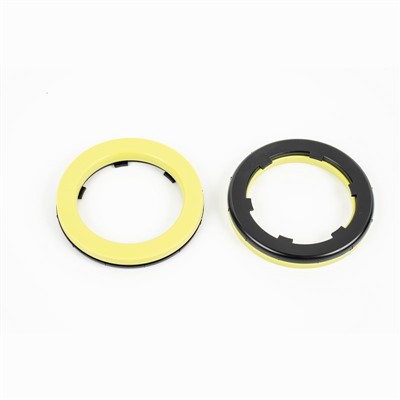
Understanding Strut Bearings
Before we dive into the diagnosis process, it’s essential to understand what a strut bearing is and what it does. A strut bearing is a crucial component in a vehicle’s MacPherson strut suspension system. It is located at the top of the strut assembly, between the strut and the vehicle’s body. Its primary functions are to allow the strut to rotate smoothly as the wheels turn and to isolate the vehicle from road vibrations and shocks.
Strut bearings are typically made up of a rubber insulator, a metal race, and a set of bearings. The rubber insulator helps to dampen vibrations, while the metal race provides a smooth surface for the bearings to roll on. Over time, these components can wear out due to factors such as constant movement, exposure to the elements, and poor road conditions.
Signs of a Faulty Strut Bearing
One of the most common signs of a faulty strut bearing is a rattling or clunking noise when going over bumps or making turns. This noise is often most noticeable at low speeds and can indicate that the bearings are worn or damaged. The noise may be audible from the front of the vehicle if the front strut bearings are affected.
Another symptom is a grinding or squeaking noise when turning the steering wheel. This can occur because the strut bearing is no longer allowing the strut to rotate smoothly. The grinding noise is usually a result of metal-to-metal contact within the bearing assembly, which can be caused by wear or a lack of lubrication.
Uneven tire wear can also be a sign of a faulty strut bearing. When the strut bearing is not functioning correctly, it can cause the wheels to align improperly. This misalignment can lead to uneven pressure on the tires, causing them to wear out more quickly on one side compared to the other. Inspecting your tires regularly for signs of uneven wear can help you detect potential strut bearing issues early on.
You may also notice a change in the vehicle’s handling. The steering may feel loose or imprecise, and the vehicle may pull to one side. This can make driving more difficult and less safe, especially at higher speeds. If you experience any of these handling issues, it’s important to have your vehicle inspected as soon as possible.
Step-by-Step Diagnosis Process
Visual Inspection
The first step in diagnosing a faulty strut bearing is a visual inspection. Start by opening the hood of your vehicle and locating the strut assemblies. The strut bearings are usually located at the top of the struts, near the firewall. Look for any visible signs of damage or wear, such as cracks in the rubber insulator, corrosion on the metal race, or loose or missing parts. Pay close attention to any signs of fluid leakage, as this can indicate a more severe problem with the strut assembly.
If you notice any damage during the visual inspection, it’s a good indication that the strut bearing needs to be replaced. However, not all issues will be visible, so further testing may be required.
Shock Absorber and Strut Assembly Test
Another way to check the condition of the strut bearing is to perform a shock absorber and strut assembly test. Start by pushing down on the front or rear of the vehicle and then quickly releasing it. The vehicle should bounce once or twice and then settle back into place. If the vehicle continues to bounce or oscillate, it could indicate a problem with the shock absorbers or strut bearings.
You can also try rocking the vehicle back and forth gently. While doing this, listen for any unusual noises coming from the suspension. If you hear rattling, clunking, or grinding sounds, it could be a sign of a faulty strut bearing.
Steering Wheel Test
To further evaluate the strut bearing, you can perform a steering wheel test. With the engine off and the vehicle in park, turn the steering wheel slowly from lock to lock. Listen for any grinding, squeaking, or popping noises. If you hear any abnormal sounds, it could indicate that the strut bearing is not allowing the strut to rotate smoothly.
Pay attention to the steering effort as well. If the steering feels unusually stiff or requires more effort than normal to turn, it could be a sign of a problem with the strut bearing or other steering components.
Professional Diagnostic Tools
In some cases, you may need to use professional diagnostic tools to accurately diagnose a faulty strut bearing. A wheel alignment machine can be used to check the alignment of the wheels. If the alignment is off, it could be due to a faulty strut bearing. Additionally, a vibration analyzer can be used to detect any abnormal vibrations in the suspension system, which can be a sign of a worn or damaged strut bearing.
However, these tools require specialized training and equipment, so it’s often best to take your vehicle to a professional mechanic if you suspect a problem with the strut bearing.
Importance of Timely Replacement
If you suspect that your strut bearing is faulty, it’s crucial to replace it as soon as possible. A worn or damaged strut bearing can lead to further damage to other suspension components, such as the struts, shocks, and tires. This can result in more expensive repairs down the line.
In addition to the potential for increased repair costs, a faulty strut bearing can also affect the safety of your vehicle. Poor handling and steering control can make it more difficult to drive safely, especially in adverse weather conditions or emergency situations.
Our High – Quality Strut Bearings
As a supplier of strut bearings, I can attest to the importance of using high – quality components. Our strut bearings are designed and manufactured to meet or exceed industry standards. We use the latest materials and manufacturing processes to ensure that our products are durable, reliable, and provide smooth operation.

Our team of experts is dedicated to providing exceptional customer service and technical support. Whether you’re a professional mechanic or a DIY enthusiast, we can help you find the right strut bearings for your vehicle.
Strut Mount Bearing If you’re experiencing any of the symptoms of a faulty strut bearing described in this blog post, don’t hesitate to reach out to us. We can provide you with high – quality strut bearings at competitive prices. Contact us today to discuss your needs and start a purchase negotiation.
References
- "Automotive Suspension Systems" by Randolph H. Ellis
- "Vehicle Dynamics: Theory and Application" by Guenther Niemann
Ningbo Tengzhan Automotive Bearing Manufacturing Co., Ltd.
As one of the leading strut bearing manufacturers and suppliers in China, we also support customized service with low price. We warmly welcome you to wholesale high quality strut bearing for sale here from our factory. If you have any enquiry about quotation, please feel free to email us.
Address: No. 9, Binyuan North Road, Chayuan Town, Ninghai County, Ningbo City
E-mail: kxm@cnnhts.com
WebSite: https://www.cntengzhan.com/
