Hey there, fellow valve techs, plant ops folks, and maintenance managers—if you’ve ever struggled with slurry gunk jamming up a ball valve, this one’s for you. I’m the guy who’s spent the last 10 years selling, fixing, and troubleshooting ball valves for jobs where mud, ore, food pulp, and all kinds of gritty, sticky slurry want to turn your precision valve into a paperweight. Slurry applications are brutal on valves, right? The constant mix of solid particles and liquid will eat at seals, coat the ball and body, and stop that quarter-turn rotation dead in its tracks. Let me walk you through how to actually clean a slurry ball valve right, no shortcuts, no stuffy industry jargon that makes your eyes glaze over. Ball Valve
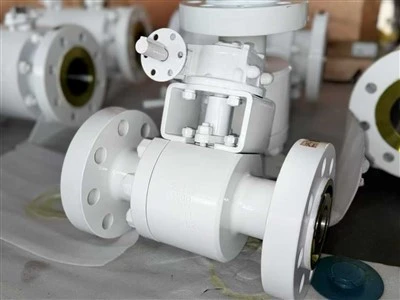
First off, let’s get one thing straight—cleaning a ball valve for slurry isn’t like wiping down your kitchen sink faucet. You can’t just spray some Windex and call it a day. Slurry is aggressive: the solids (sand, mineral fines, food fiber, whatever) are often harder than the valve’s own components, and they compact really fast if they dry out inside. Skip this step, and next thing you know, your valve won’t open or close on demand, leading to downtime that costs you way more than the time you’d spend cleaning it right. I’ve seen guys yank a valve off a line, rinse it with water, and throw it back in—only to be back 2 weeks later replacing the whole thing because the ball seized. Don’t be that person.
Let’s start with pre-cleaning prep. You can’t just yank the valve open and start scrubbing while it’s still hot or under pressure. Safety first, obviously—lockout/tagout (LOTO) is non-negotiable. I don’t care how much of a rush you’re in; slurry lines are under pressure, and a sudden release can knock you on your ass. Next, get the valve isolated: close the upstream and downstream valves, bleed off any remaining pressure from the line, and drain as much of the slurry as you can out of the valve and the piping around it. This stops fresh slurry from pouring out while you’re working and gives you a cleaner workspace.
Now, decide: are you cleaning the valve in-place (while it’s still mounted on the line) or taking it out? I’ll be real—if it’s a really tough, high-volume slurry line (like mining or wastewater), in-place cleaning is a huge time-saver. I’ve helped plant teams knock out in-place cleans in 30 minutes vs. 2 hours pulling the whole valve. But if the valve is super jammed, or you’re planning to do a full inspection (like checking for seal wear), take it out. I’ll cover both methods, but let’s start with the most common scenario: in-place cleaning.
For in-place cleaning, first crack the valve open a quarter-turn. Wait, don’t leave it fully closed or fully open—middle is where all the slurry gunk gets trapped between the ball and the body cavity, right? Yeah, that pocket area is the worst. When it’s partially open, you can flush that pocket properly. Grab a high-pressure washer (not a garden hose—garden hose pressure is garbage for compacted slurry) with a nozzle that’s narrow enough to focus the spray. Use a mix of warm water and a pH-neutral industrial cleaner? Wait no—wait, for different slurries you need different stuff. Oh right, if it’s acidic slurry (like mining ore), use a mild alkaline cleaner. If it’s basic (like food pulp or lime), go with a mild acidic cleaner. Don’t use stuff that’ll eat at the valve’s body or seals—stick to ones rated for your valve material (most of our ball valves for slurry are cast iron or stainless steel, so cleaners marked for those work great).
Stick the pressure washer nozzle into the cavity around the partially open ball. Blast that gunk out, moving the nozzle around so you hit all sides of the ball, the body seats, and the stem area. If you see thick, compacted slurry chunks, don’t dig at them with a metal tool—you’ll scratch the ball or seat, which will cause leaks later. Use a plastic scraper or a nylon bristle brush to gently knock loose the big stuff before blasting it out. Once you don’t see any more slurry coming out, open the valve fully, flush it again, then close it half-way and flush once more. That takes care of all the hidden pockets.
Now, if you’re pulling the valve out for a deep clean, that’s next level. Let’s walk through that step by step. After isolating and draining the line, use a wrench to remove the bolts holding the valve’s body halves together? Wait no—most slurry ball valves are top-entry, right? Oh right! Top-entry valves are way easier to service than split-body ones, and that’s what most of us sell for slurry apps. I always recommend top-entry because you don’t have to disconnect the valve from the piping to get to the ball. But if it’s a full-port split-body, just make sure you mark the ball’s position before you take it apart—so you put it back the same way, no chance of mixing up seals.
Once you get the valve disassembled (whether top-entry or split-body), you’ll have the ball, stem, seals, and body all laid out. This is where you deep clean each part separately. For the metal parts (ball, stem, body), you can use a combination of the same pressure washing, plus a parts washer if you have one. For really caked-on slurry, you can soak the metal parts in that same pH-balanced cleaner for 15-20 minutes—don’t soak them longer than that, especially if they’re brass or have soft coatings, because the cleaner can degrade things over time.
The seals are the tricky part here. Slurry will eat at rubber, EPDM, PTFE, whatever seal material you’re using—so cleaning them is make-or-break. Don’t blast seals with high pressure; that can tear or warp them. Instead, wipe them down with a soft cloth and the same mild cleaner, and gently pick out any slurry particles stuck in the grooves where they sit in the valve body. If the seals are really gunked up, a quick soak in warm (not hot—hot can ruin rubber seals) cleaner is fine, but don’t scrub them hard. Pro tip: if your slurry has a lot of fibrous material (like food pulp or paper), get a soft toothbrush to get into those tiny nooks on the seals. I know that sounds silly, but it works way better than a big brush.
Wait, what about abrasive slurry specifically? Like mining sand or sandblasting grit? Those are the worst because they scratch the ball and seats, and those scratches will catch new slurry every time you cycle the valve. After cleaning, check the ball’s surface for deep scratches (shallow ones can be buffed out with a fine abrasive pad, but deep ones mean you need to replace the ball). And always check the seats—if they have gouges, replace them. A new set of seats is way cheaper than a whole new valve.
Once everything is clean, dry it thoroughly before reassembly. Moisture left on metal parts can cause rust, which will mess up the valve’s rotation. I like to use compressed air (low pressure, so you don’t blow seals out) to get into all the small crevices, then let the parts air dry for 10 minutes just to be safe.
Now, reassembly tips—don’t rush this, or you’ll undo all your hard work. First, make sure all parts are completely clean before putting them back together. Any tiny slurry particle left in a seal groove will cause a leak when you cycle the valve. Lubricate the stem and seals with a food-grade or industrial-grade lubricant (match it to your slurry application—food grade if it’s for processing, standard for mining or wastewater). Don’t over-lubricate, though; excess lube will attract new slurry gunk.
Once you have the valve back together, test it. Cycle it a few times, check for resistance. If it feels stiff, take it apart and check for leftover gunk—don’t just force it, that’ll break parts. Then do a pressure test: if you’re installing it back on the line, slowly bring the line pressure up, and check for leaks around the body, stem, and connections. If everything holds, you’re good to go.
Wait, a few common mistakes I see all the time that mess up slurry valve cleaning. First, using the wrong cleaner. I can’t stress this enough—using undiluted bleach or harsh acids will eat through stainless steel seals and valve bodies, leading to corrosion way faster than slurry ever would. Stick to the mild, pH-balanced stuff rated for your specific valve materials. Second, not clearing the stem area. The stem is where the actuator connects, and slurry can build up there, making the valve hard to cycle. Don’t forget to clean the stem’s O-rings too—if those are caked, the stem will stick. Third, waiting too long to clean. If you let slurry dry in the valve overnight, it’s 10x harder to remove than wet slurry. I always tell my clients to do quick flush cleans every time you shut down the line, not just deep cleans every few months. A 5-minute flush after every use prevents 2 hours of deep cleaning later.
Another thing: if your valve is seeing super heavy abrasive slurry, you might want to add a quick blow-down step after flushing. Even after pressure washing, there might be fine grit stuck in the ball’s flow passages. A 30-second blast of compressed air will get that out, and stop it from wearing down the ball and seats prematurely.
I’ve been in this game long enough to know that every slurry app is different—ore processing is totally different from beverage pulp, which is different from wastewater sludge. That’s why we stock different valve materials and seal options specifically made for slurry, because a one-size-fits-all approach never works. If you’re not sure what kind of cleaner to use, or what maintenance schedule works best for your specific valve, hit us up. We don’t just sell valves—we work with plant ops and maintenance teams to troubleshoot exactly what works for their lines, no generic tips, no upselling stuff you don’t need.
Look, ball valves for slurry are a big investment, but they don’t have to be high-maintenance. Cleaning them the right way—regular, not rushed, using the right tools and cleaners—will extend their life, cut down on downtime, and save you a ton of money in the long run. I’ve seen valves that we sold 7 years ago still running strong on mining slurry lines because the team followed these steps, versus another client who skipped cleaning and had to replace their valve every 6 months. That’s the difference between a good process and a bad one.

If you’re dealing with a jammed valve, not sure how to deep clean yours, or need new valves built specifically for tough slurry applications, just reach out. We’re here to help you keep your lines moving, no more stuck valves, no more unplanned downtime.
Globe Valve References:
- Valve Maintenance Handbook. International Society of Automation, 2021.
- Slurry Handling Valve Best Practices. American Water Works Association, 2022.
- Ball Valve Design and Servicing for Abrasive Services. Pump Industry Magazine, 2020.
- pH Balanced Cleaners for Industrial Valve Maintenance. Industrial Maintenance and Plant Operations Journal, 2023.
Zhejiang Poro Valve Manufacturing Co., Ltd.
With abundant experience, we are one of the most professional ball valve manufacturers and suppliers in China. We warmly welcome you to buy customized ball valve made in China here from our factory. If you have any enquiry about cooperation, please feel free to email us.
Address: PORO Ind. Park, Oubei Dongou Ind. Zone, Wenzhou, Zhejiang, China
E-mail: poro@cnporo.com
WebSite: https://www.cn-poro.com/
