As a supplier of oil separator and screening machines, I’ve often been asked whether these machines can be used in the food industry. This question is not only relevant to potential customers in the food sector but also crucial for understanding the broader applications and limitations of our products. In this blog, I’ll delve into the technical and practical aspects of using oil separators and screening machines in the food industry, exploring their benefits, challenges, and regulatory considerations. Oil Separator & Screening Machine

Technical Feasibility of Oil Separators in the Food Industry
Oil separators are designed to separate oil from other substances, typically water or solids. In the food industry, this function can be extremely useful. For example, in meat processing, there is often a significant amount of fat and oil that needs to be removed from the wastewater. If not properly treated, this oil can cause blockages in the drainage system and environmental pollution. An oil separator can effectively separate the fat and oil from the water, making the wastewater easier to treat and dispose of.
There are different types of oil separators available, including gravity separators, coalescing separators, and centrifugal separators. Gravity separators work based on the principle that oil is less dense than water and will float to the surface. They are relatively simple and cost – effective, making them a popular choice for small to medium – sized food processing plants. Coalescing separators use special media to cause the oil droplets to combine and form larger droplets, which then rise to the surface more quickly. These are more efficient than gravity separators and can handle higher oil concentrations. Centrifugal separators, on the other hand, use centrifugal force to separate the oil from the water. They are the most efficient but also the most expensive and require more maintenance.
In addition to wastewater treatment, oil separators can also be used in the production of food products. For example, in the production of some fried foods, it is necessary to remove the spent oil from the final product. An oil separator can help to achieve this, improving the quality and shelf – life of the food.
Screening Machines in Food Processing
Screening machines are used to separate particles of different sizes. In the food industry, this has a wide range of applications. For instance, in the production of flour, a screening machine is used to separate the fine flour from the coarser bran and germ. This not only improves the quality of the flour but also ensures that the final product meets the required standards.
There are various types of screening machines, such as vibrating screens, rotary screens, and ultrasonic screens. Vibrating screens are the most commonly used type in the food industry. They work by vibrating the screen mesh, which causes the smaller particles to pass through while the larger particles are retained on the screen. Rotary screens, on the other hand, use a rotating drum with a screen on the inside. The material is fed into the drum, and the smaller particles pass through the screen as the drum rotates. Ultrasonic screens are used for more precise screening, especially for very fine particles. They use ultrasonic vibrations to prevent the particles from clogging the screen and to improve the screening efficiency.
Benefits of Using Oil Separators and Screening Machines in the Food Industry
The use of oil separators and screening machines in the food industry offers several significant benefits. Firstly, from a quality control perspective, these machines help to ensure the consistency and purity of food products. By removing unwanted oil and separating particles of different sizes, the final food products are of a higher quality and more likely to meet consumer expectations.
Secondly, in terms of environmental protection, oil separators play a crucial role in reducing the environmental impact of food processing. By removing oil from wastewater, the risk of water pollution is significantly reduced. This is not only important for meeting environmental regulations but also for maintaining a good corporate image.
Thirdly, these machines can also improve operational efficiency. For example, screening machines can increase the speed of the production process by quickly and accurately separating different sized particles. This can lead to higher production volumes and lower costs in the long run.
Challenges and Considerations
However, there are also some challenges and considerations when using oil separators and screening machines in the food industry. One of the main challenges is ensuring that the machines meet the strict hygiene and safety standards required in the food sector. The materials used in the construction of the machines must be food – grade and easy to clean. Any residual oil or particles left on the machines can contaminate the food products and pose a health risk to consumers.
In addition, regulatory compliance is a major concern. Different countries and regions have different regulations regarding the use of machinery in the food industry. For example, in the United States, the Food and Drug Administration (FDA) has strict guidelines on the design, construction, and operation of food processing equipment. Suppliers need to ensure that their oil separators and screening machines meet these regulations to avoid any legal issues.
Another challenge is the cost of the machines and their maintenance. High – quality oil separators and screening machines can be expensive to purchase. Additionally, they require regular maintenance to ensure their proper functioning. This includes cleaning, lubrication, and replacement of parts.
Regulatory Considerations
Regulatory compliance is a non – negotiable aspect when it comes to using oil separators and screening machines in the food industry. In the European Union, the Machinery Directive and the Food Contact Materials regulation set strict standards for the design and use of machinery in food processing. The Machinery Directive ensures that the machinery is safe to use, while the Food Contact Materials regulation requires that any materials in contact with food are non – toxic and do not migrate substances into the food.
In Asia, countries like Japan and South Korea also have their own set of regulations. Japan’s Ministry of Health, Labour and Welfare has specific guidelines for food processing equipment to ensure food safety. South Korea’s Ministry of Food and Drug Safety enforces similar regulations to protect consumers.
Suppliers of oil separators and screening machines need to be well – versed in these regulations and ensure that their products are compliant. This may involve obtaining various certifications, such as ISO 22000 (Food Safety Management System) and HACCP (Hazard Analysis and Critical Control Points) certifications.
Conclusion
In conclusion, oil separators and screening machines can indeed be used in the food industry, and they bring many benefits in terms of quality control, environmental protection, and operational efficiency. However, there are also challenges to be addressed, particularly in terms of hygiene, safety, and regulatory compliance.
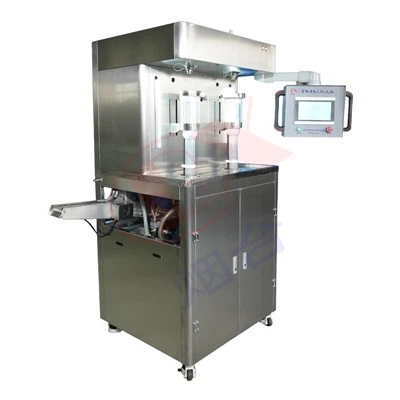
As a supplier of these machines, we are committed to providing high – quality products that meet the strict requirements of the food industry. We have extensive experience in designing and manufacturing equipment that is food – grade, easy to clean, and compliant with international regulations.
Drying Roller for Seamless Softgel If you are in the food industry and are considering using an oil separator or a screening machine, I encourage you to get in touch with us. We can provide you with detailed information about our products, and our team of experts can work with you to find the best solution for your specific needs. Let’s start a conversation about how our oil separators and screening machines can enhance your food processing operations.
References
- "Food Processing Technology: Principles and Practice" by P. J. Fellows
- "Handbook of Food Safety Engineering" edited by Y. H. Hui
- Regulations from the Food and Drug Administration (FDA), European Union (EU), and relevant Asian regulatory bodies.
Yantai Boxin Pharmaceutical Machinery Co., Ltd.
Yantai Boxin Pharmaceutical Machinery Co., Ltd. is one of the most professional oil separator & screening machine manufacturers and suppliers in China. With abundant experience, we warmly welcome you to buy discount oil separator & screening machine for sale here from our factory. For price consultation, contact us.
Address: 1st Floor, Main Building, No. 11 Huanghe Road, Yantai Economic and Technological Development Zone, Shandong Province
E-mail: sale@ytbxyj.com
WebSite: https://www.bx-mach.com/
