What is the maximum load capacity of an Enclosed Integrated Lead Screw Linear Module?
As a supplier of enclosed integrated lead screw linear modules, I often encounter inquiries from customers regarding the maximum load – capacity of these modules. Understanding this parameter is crucial for any application that involves linear motion, as it directly impacts the performance, reliability, and longevity of the system. Enclosed Integrated Lead Screw Linear Module
Factors Affecting Load Capacity
The maximum load capacity of an enclosed integrated lead screw linear module is not a fixed value; rather, it is determined by a combination of several factors.
1. Lead Screw Specifications
The lead screw is the heart of the linear module. Its diameter, pitch, and material play significant roles in determining the load – bearing capacity. A larger diameter lead screw generally has a higher load capacity because it can withstand greater forces without deforming. For example, a lead screw with a diameter of 20mm will typically be able to handle a larger load than one with a diameter of 12mm.
The pitch of the lead screw also affects the load capacity. A finer pitch (smaller distance between threads) can distribute the load more evenly across the threads, which can increase the overall load – handling ability. However, a finer pitch usually results in a slower linear speed. The material of the lead screw is another critical factor. High – strength steels or alloys are often used to enhance the load – bearing capacity, as they have better mechanical properties such as high hardness and good tensile strength.
2. Nut Design and Material
The nut that mates with the lead screw is equally important. The design of the nut, including the number of contact points with the lead screw and the way it distributes the load, can influence the load capacity. A multi – start nut, for instance, has multiple threads engaging with the lead screw simultaneously, which can increase the load – sharing area and thus the load capacity.
The material of the nut also matters. Bronze is a common choice for nuts due to its good self – lubricating properties and wear resistance. However, for applications with extremely high loads, more advanced materials such as hardened steel or special polymers may be used.
3. Guide Rail System
Enclosed integrated lead screw linear modules are often equipped with guide rail systems to ensure smooth and accurate linear motion. The type and quality of the guide rails can significantly impact the load capacity. Linear guide rails with a larger cross – sectional area and higher rigidity can support heavier loads. For example, a wide – profile linear guide rail can distribute the load more evenly across the module’s structure, reducing stress concentrations and increasing the overall load – handling capacity.
The number of guide rails also plays a role. Modules with multiple guide rails can share the load more effectively, allowing for a higher maximum load capacity compared to those with a single guide rail.
4. Enclosure Design
The enclosure of the linear module serves multiple purposes, including protecting the internal components from dust, debris, and moisture. A well – designed enclosure can also contribute to the load capacity. A robust and rigid enclosure can provide additional support to the lead screw and guide rail system, helping to distribute the load and prevent deformation. For example, an enclosure made of thick – walled aluminum alloy can enhance the overall structural integrity of the module and increase its load – bearing capacity.
Calculating the Maximum Load Capacity
To accurately determine the maximum load capacity of an enclosed integrated lead screw linear module, a comprehensive analysis considering the above – mentioned factors is required. Manufacturers typically use a combination of theoretical calculations and experimental testing.
Theoretical Calculations
Theoretical calculations are based on mechanical engineering principles. For example, the load – carrying capacity of the lead screw can be estimated using formulas related to stress analysis. The maximum shear stress and bending stress on the lead screw are calculated based on the applied load, the lead screw’s geometry, and the material properties. Similarly, the load – sharing capacity of the nut and the guide rail system can be analyzed using principles of contact mechanics and structural analysis.
Experimental Testing
In addition to theoretical calculations, experimental testing is essential to validate the load – capacity ratings. Manufacturers conduct a series of tests on the linear modules under various load conditions. These tests involve applying different levels of static and dynamic loads to the module and monitoring its performance, including factors such as deflection, deformation, and wear. The results of these tests are used to refine the theoretical calculations and to establish accurate load – capacity ratings for the modules.
Application – Specific Considerations
The maximum load capacity required for an application depends on the specific requirements of the system.
1. Static Load vs. Dynamic Load
It is important to distinguish between static and dynamic loads. Static load refers to the load that the module needs to support when it is not in motion. For example, in a stationary positioning application, the module only needs to withstand the static weight of the object it is holding. Dynamic load, on the other hand, is the load experienced by the module during motion. Dynamic loads can be much higher than static loads due to factors such as acceleration, deceleration, and vibration. When selecting a linear module, it is crucial to consider both the static and dynamic load requirements to ensure that the module can handle the maximum load under all operating conditions.
2. Duty Cycle
The duty cycle of the application also affects the load – capacity selection. A high – duty – cycle application, where the module is in continuous or frequent operation, may require a module with a higher load – capacity rating to prevent premature wear and failure. In contrast, a low – duty – cycle application may be able to use a module with a lower load capacity.
3. Environmental Conditions
Environmental conditions such as temperature, humidity, and the presence of dust or corrosive substances can impact the load – capacity of the linear module. For example, high temperatures can cause the materials to expand, which may affect the fit between the lead screw and the nut and reduce the load – carrying capacity. In such cases, special materials or coatings may be required to ensure the module’s performance under extreme environmental conditions.
Importance of Correct Load – Capacity Selection
Selecting the right load – capacity for an enclosed integrated lead screw linear module is of utmost importance. If the load exceeds the module’s maximum capacity, several problems can occur.
1. Premature Wear
Excessive load can cause accelerated wear on the lead screw, nut, and guide rails. The increased friction and stress can lead to the degradation of the surface finish of these components, reducing their lifespan and increasing the frequency of maintenance and replacement.
2. Reduced Accuracy
Overloading the module can result in deflection and deformation of the components, which can significantly reduce the accuracy of the linear motion. This is particularly critical in applications where precise positioning is required, such as in semiconductor manufacturing or robotics.
3. System Failure
In extreme cases, overloading can lead to complete system failure. The lead screw may break, the nut may seize, or the guide rails may deform beyond repair. This can result in costly downtime and potential damage to other components in the system.
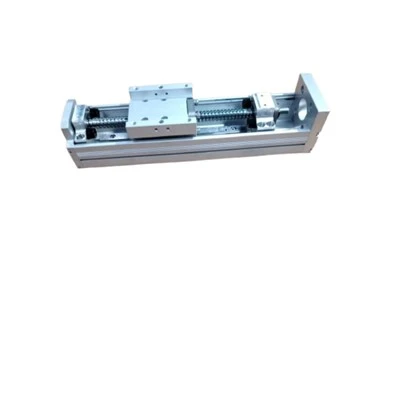
As a supplier of enclosed integrated lead screw linear modules, we understand the importance of matching the right module to the specific application requirements. Our team of experts can assist you in selecting the optimal module with the appropriate load – capacity, taking into account all the relevant factors. We offer a wide range of linear modules with different load – capacity ratings to meet the diverse needs of our customers.
Ball Screw Linear Modules If you are considering a project that involves linear motion and need to select an enclosed integrated lead screw linear module, we encourage you to get in touch with our sales team. They can provide you with detailed information about our products, help you with the load – capacity calculation, and initiate a discussion about your specific procurement needs. Let’s work together to find the best solution for your application.
References
- Hall, A. S., & Holowenko, H. A. (1961). Machine Design. McGraw – Hill.
- Shigley, J. E., & Mischke, C. R. (2003). Mechanical Engineering Design. McGraw – Hill.
- Beitz, W., & Kuttner, K. – H. (2004). Dubbel: Handbook of Mechanical Engineering. Springer.
Yangning (Xiamen) Intelligent Technology Co., Ltd.
With abundant experience, we are one of the most professional enclosed integrated lead screw linear module manufacturers in China. As we have world-leading production equipment and strong manufacturing capabilities, we warmly welcome you to buy bulk advanced enclosed integrated lead screw linear module from our factory. Customized orders are welcome.
Address: Room 307-2, No. 15 Duiying Road, Software Park Phase III, Torch Hi-Tech Zone, Xiamen, Fujian, China
E-mail: mia@ynautos.com
WebSite: https://www.ynautos.com/
