When it comes to working with composite materials, the choice of router bits can significantly impact the quality, efficiency, and overall success of the project. As a proud supplier of TCT (Tungsten Carbide Tipped) Router Bits, I’ve had the privilege of witnessing firsthand the remarkable performance of our products on various composite materials. In this blog, I’ll delve into the intricacies of how TCT Router Bits perform on composite materials, exploring their advantages, challenges, and best practices. TCT Router Bits

Understanding Composite Materials
Composite materials are engineered by combining two or more different materials to create a new material with enhanced properties. These materials often consist of a matrix, such as resin, and a reinforcement, such as fibers (e.g., carbon fiber, fiberglass, or aramid). The resulting composites offer a unique combination of strength, stiffness, lightweight, and resistance to corrosion, making them popular in a wide range of industries, including aerospace, automotive, marine, and construction.
However, working with composite materials can be challenging due to their heterogeneous nature. The different phases (matrix and reinforcement) have distinct mechanical properties, which can lead to issues such as delamination, fiber pull – out, and excessive tool wear. This is where the right router bits come into play.
Why TCT Router Bits are Ideal for Composite Materials
1. Cutting Performance
Tungsten carbide is a extremely hard material, second only to diamond in terms of hardness. The TCT tips on our router bits are capable of cutting through the tough fibers in composite materials with ease. The sharp cutting edges of the carbide tips ensure clean and precise cuts, reducing the risk of fraying and delamination. Whether it’s carbon fiber, which is known for its high strength – to – weight ratio, or fiberglass, which has excellent electrical insulation properties, our TCT Router Bits can handle the job.
For example, when cutting carbon fiber composites, the TCT Router Bits can slice through the carbon fibers without causing excessive fiber pull – out. This is crucial as fiber pull – out can weaken the material and affect the aesthetic appearance of the final product. The smooth cutting action of the TCT bits also helps in maintaining the integrity of the resin matrix, preventing cracks and voids from forming.
2. Wear Resistance
One of the biggest challenges when machining composite materials is tool wear. The abrasive nature of the fibers in composites can quickly dull the cutting edges of traditional router bits, leading to poor cutting quality and frequent tool changes. TCT Router Bits, on the other hand, offer excellent wear resistance. The tungsten carbide tips are hard enough to withstand the abrasive action of the composite fibers, ensuring a longer tool life.
This means fewer tool changes during a production run, which translates into increased productivity and reduced costs. For manufacturers who work with large volumes of composite materials, the cost – savings associated with using TCT Router Bits can be substantial over time.
3. Heat Resistance
During the machining process, friction between the router bit and the composite material generates heat. Excessive heat can cause the resin matrix in the composite to soften or even melt, leading to poor surface finish and dimensional inaccuracies. TCT Router Bits have good heat resistance properties. The tungsten carbide tips can dissipate heat effectively, preventing overheating of the cutting edge and the material being machined.
This heat resistance also allows for higher cutting speeds, which can further improve the efficiency of the machining process. However, it’s important to note that maintaining the right cutting parameters is essential to fully leverage the heat – resistant properties of TCT Router Bits.
Challenges and How to Overcome Them
1. Delamination
Delamination is one of the most common problems when machining composite materials. It occurs when the layers of the composite separate from each other, usually at the entry or exit points of the router bit. This can be caused by excessive cutting forces, improper cutting parameters, or dull router bits.
To overcome delamination, it’s important to use sharp TCT Router Bits. Dull bits require higher cutting forces, which increase the risk of delamination. Additionally, optimizing the cutting parameters such as cutting speed, feed rate, and depth of cut can help reduce the cutting forces. For example, using a lower feed rate at the entry and exit points of the cut can minimize delamination.
2. Resin Smearing
Resin smearing can occur when the heat generated during machining causes the resin matrix to melt and stick to the router bit or the machined surface. This can affect the surface finish and make it difficult to achieve the desired tolerance.
To prevent resin smearing, proper cooling is essential. Using a coolant or a lubricant during the machining process can help dissipate heat and reduce the chances of resin smearing. Our TCT Router Bits are designed to work effectively with coolant, allowing for better heat management and a cleaner machining process.
Best Practices for Using TCT Router Bits on Composite Materials
1. Selecting the Right Bit Geometry
The geometry of the router bit plays a crucial role in its performance on composite materials. For example, a compression bit is ideal for cutting composite laminates as it has both up – cut and down – cut flutes. The up – cut flutes at the bottom of the bit help in chip evacuation, while the down – cut flutes at the top prevent delamination at the exit point.
V – groove bits are suitable for creating decorative edges on composite materials, while straight bits are commonly used for general cutting and profiling. As a supplier, we offer a wide range of TCT Router Bit geometries to meet the specific needs of different composite machining applications.
2. Maintaining the Right Cutting Parameters
As mentioned earlier, cutting speed, feed rate, and depth of cut are critical parameters that need to be optimized for the best results. The cutting speed should be high enough to ensure efficient cutting but not so high that it causes excessive heat generation. The feed rate should be adjusted based on the material properties and the bit geometry. A slower feed rate may be required for harder composites or when using more delicate bit geometries.
The depth of cut should also be carefully controlled. Taking too large a depth of cut at once can increase the cutting forces and the risk of delamination. It’s often better to make multiple passes with a smaller depth of cut to achieve the desired final depth.
3. Tool Inspection and Maintenance
Regular inspection and maintenance of the TCT Router Bits are essential to ensure their optimal performance. Before each use, check the bits for any signs of damage or wear, such as chipped carbide tips or dull cutting edges. If a bit is damaged, it should be replaced immediately to avoid poor cutting quality and potential damage to the composite material.
After use, clean the bits thoroughly to remove any resin or fiber debris. This helps in preventing corrosion and maintaining the sharpness of the cutting edges. Proper storage of the bits in a dry and clean environment also extends their service life.
Conclusion
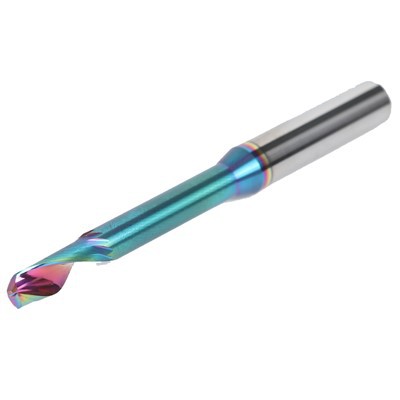
In conclusion, TCT Router Bits offer outstanding performance when working with composite materials. Their cutting performance, wear resistance, and heat resistance make them the preferred choice for many manufacturers and fabricators. However, to fully realize the benefits of these bits, it’s important to understand the challenges associated with machining composite materials and implement the best practices outlined above.
CNC Spiral Cutterhead If you’re in the market for high – quality TCT Router Bits for your composite machining needs, I encourage you to reach out to us. We have a team of experts who can help you select the right bits for your specific application, provide technical support, and offer competitive pricing. Contact us today to start a discussion about your requirements and how our TCT Router Bits can enhance your composite machining processes.
References
- "Machining of Composite Materials" by P. K. Mallick.
- "Advanced Composites Manufacturing" by S. R. Swanson.
- Technical literature on TCT Router Bits from industry – leading manufacturers.
Huizhou Feisite Precision Tools Co., Ltd.
Huizhou Feisite Precision Tools Co., Ltd. is one of the most professional tct router bits manufacturers and suppliers in China, featured by quality products and good price. Please rest assured to buy tct router bits in stock here and get quotation from our factory. Customized orders are welcome.
Address: 1/B, 3/F. Huiyang Eco-Tech Innovation Park, Liandong U Valley, Sanhe St, Huiyang Dist, Huizhou GuangDong Prov. China
E-mail: Peggy@feisitool.com
WebSite: https://www.feisitool.com/
