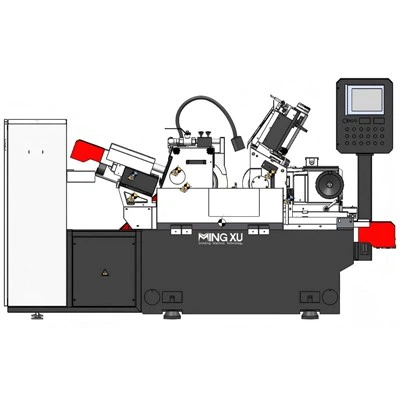
Adjusting the grinding pressure on an automatic surface grinder is a crucial process that significantly impacts the quality, efficiency, and precision of your grinding operations. As a seasoned supplier of automatic surface grinders, I’ve witnessed firsthand the challenges and opportunities that come with fine – tuning this parameter. In this blog, I’ll share my insights on how to properly adjust the grinding pressure, ensuring optimal performance of your machine. Automatic Surface Grinder
Understanding the Impact of Grinding Pressure
Grinding pressure plays a pivotal role in the material removal rate, surface finish, and tool wear during the grinding process. When the pressure is too low, the grinder may not remove enough material, leading to inefficient operation and extended processing times. On the other hand, excessive pressure can cause over – heating, damage to the workpiece, and increased wear on the grinding wheel.
A well – adjusted grinding pressure can also enhance the surface finish of the workpiece. Appropriate pressure allows the grinding wheel to remove material evenly, reducing the occurrence of surface defects such as scratches and unevenness. This is particularly important in applications where a high – quality surface finish is required, such as in the manufacturing of precision parts.
Factors Affecting Grinding Pressure Adjustment
Workpiece Material
Different materials have varying hardness and toughness, which require different grinding pressures. For example, softer materials like aluminum may require lower grinding pressures to prevent smearing and excessive material removal. In contrast, harder materials such as stainless steel or tool steel need higher pressures to achieve an effective material removal rate.
Grinding Wheel Selection
The type, size, and abrasive material of the grinding wheel also influence the appropriate grinding pressure. For instance, a wheel with a coarser grit may need higher pressure to fully engage with the workpiece, while a finer – grit wheel can function effectively at lower pressures. Additionally, the bond strength of the wheel affects its ability to withstand pressure, and a wheel with a weaker bond may require more conservative pressure settings.
Machine Capabilities
The design and specifications of the automatic surface grinder limit the range of grinding pressures that can be applied safely and effectively. Factors such as the power of the spindle motor, the rigidity of the machine structure, and the capacity of the feed system all play a role in determining the maximum and minimum grinding pressures. It’s essential to consult the machine’s manual to understand its capabilities and limitations.
Step – by – Step Guide to Adjusting Grinding Pressure
Step 1: Prepare the Machine
Before making any adjustments to the grinding pressure, ensure that the automatic surface grinder is in good working condition. Check the grinding wheel for damage or wear, lubricate all moving parts, and verify that the coolant system is functioning correctly. Power on the machine and let it warm up for a few minutes to allow the internal components to reach their normal operating temperatures.
Step 2: Set Initial Pressure
Based on the type of workpiece material and the grinding wheel you’re using, consult the machine’s manual or your past experience to set an initial grinding pressure. Start with a relatively low pressure as a precautionary measure. This allows you to gradually increase the pressure and observe the effects on the grinding process without causing damage to the workpiece or the machine.
Step 3: Conduct a Test Grind
Select a sample workpiece that is representative of the parts you’ll be grinding. Mount it securely on the machine’s table and start the grinding process with the initially set pressure. Observe the grinding operation carefully. Pay attention to the sound of the machine, the surface finish of the workpiece, and the amount of material being removed.
If the grinding process seems too slow and the material removal rate is low, it may indicate that the pressure is insufficient. On the other hand, if you notice excessive noise, vibration, or signs of over – heating, the pressure may be too high.
Step 4: Fine – Tune the Pressure
Based on the results of the test grind, gradually increase or decrease the grinding pressure in small increments. After each adjustment, perform another short test grind to evaluate the changes. Look for improvements in the material removal rate, surface finish, and the overall stability of the grinding process.
Continue this fine – tuning process until you achieve the desired balance between material removal efficiency and surface quality. Keep in mind that it may take several attempts to find the optimal grinding pressure, especially when working with new materials or a different grinding wheel.
Step 5: Monitor and Maintain
Once you’ve set the optimal grinding pressure, it’s important to monitor the grinding process regularly. Over time, factors such as wheel wear, changes in the workpiece material properties, or machine vibrations can affect the grinding pressure. Make minor adjustments as needed to ensure consistent performance.
In addition, perform routine maintenance on the automatic surface grinder, including wheel dressing, lubrication, and calibration. A well – maintained machine is more likely to maintain the correct grinding pressure and produce high – quality results.
Common Mistakes to Avoid
One common mistake when adjusting grinding pressure is making large adjustments at once. This can lead to over – correction, causing damage to the workpiece or the grinding wheel. Instead, always make small, incremental changes and evaluate the effects before making further adjustments.
Another mistake is ignoring the importance of the coolant system. Coolant helps to reduce heat generated during the grinding process and can significantly affect the optimal grinding pressure. Ensure that the coolant is flowing properly and at the correct temperature to avoid issues such as thermal deformation of the workpiece and excessive wheel wear.
Some operators also overlook the impact of machine rigidity on grinding pressure. A machine with poor rigidity may require lower grinding pressures to prevent vibration and inaccuracies. If you notice vibration during the grinding process, it may be necessary to reinforce the machine’s support or adjust the workholding system.
The Role of Technology in Grinding Pressure Adjustment
Modern automatic surface grinders are equipped with advanced technology that can simplify the process of adjusting grinding pressure. Some machines feature digital control systems that allow operators to precisely set and monitor the grinding pressure. These systems can also provide real – time feedback on the performance of the grinding process, enabling operators to make quick and accurate adjustments.
In addition, some grinders are equipped with sensors that can detect changes in the grinding force and adjust the pressure automatically. This technology ensures consistent grinding quality, even when there are variations in the workpiece material or other processing conditions.
Benefits of Accurate Grinding Pressure Adjustment
Accurately adjusting the grinding pressure offers several benefits. Firstly, it improves the efficiency of the grinding process by optimizing the material removal rate. This means that you can complete your grinding operations in less time, increasing productivity and reducing production costs.
Secondly, a well – adjusted grinding pressure results in a higher – quality surface finish on the workpiece. This is essential for applications where precision and aesthetics are important, such as in the aerospace, automotive, and medical industries.
Finally, proper grinding pressure adjustment can extend the lifespan of the grinding wheel and other machine components. By reducing excessive wear and tear, you can minimize the frequency of maintenance and replacement, further reducing costs and downtime.
Conclusion
Adjusting the grinding pressure on an automatic surface grinder is a complex but essential task that requires a good understanding of the machine, the workpiece material, and the grinding process. By following the steps outlined in this blog, avoiding common mistakes, and leveraging modern technology, you can achieve optimal grinding performance and produce high – quality parts.
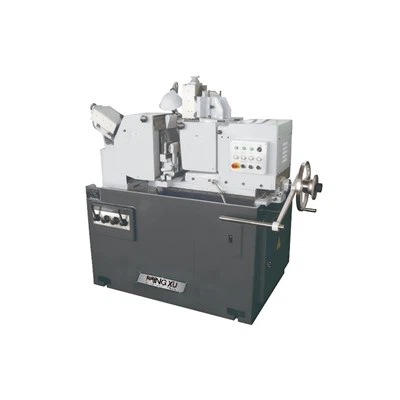
Surface Grinding Machine If you’re in the market for an automatic surface grinder or need further guidance on adjusting grinding pressure, we’re here to help. As a reliable supplier in the industry, we offer a wide range of high – quality automatic surface grinders along with expert advice and support. Contact us to start a discussion about your specific requirements and explore how our products can meet your grinding needs. Take the first step towards enhancing your grinding operations today.
References
- "Modern Grinding Technology" by Rajiv Khanna
- "Grinding Handbook" by Robert A. Schmitz
- Manufacturer’s manuals for automatic surface grinders
Wuxi Mingxu Machinery Equipment Co., Ltd.
As one of the most professional automatic surface grinder manufacturers and suppliers in China, we’re featured by quality products and good price. Please rest assured to buy the best automatic surface grinder for sale here from our factory. Also, custom service is available.
Address: No. 5-5 Jinke Wealth Plaza, Changjiang North Road, Xinwu District, Wuxi City, Jiangsu Province
E-mail: yingyingmxjd@163.com
WebSite: https://www.mingxu-china.com/
