If you’ve ever held a car engine bracket, a kitchen hardware handle, or a delicate part for power tools—chances are it was made using die casting. For 12 years, I’ve run a small, family-owned die casting supply shop, and over that time, I’ve lost count of how many times new clients have sat across from my workbench, coffee in hand, and asked the same question: “What does it actually take to make these parts well?” It’s a fair question, too. Die casting isn’t just pouring molten metal into a mold and calling it done. It’s a precise, high-pressure process that demands specific equipment, regular maintenance, and a team that knows how to wring every bit of quality out of that machinery. When I get a new client, the first thing I walk them through isn’t our mold design shop or our finishing station—it’s our core die casting equipment. That’s where the magic starts, and where mistakes get made if you skip a single requirement. Die Casting
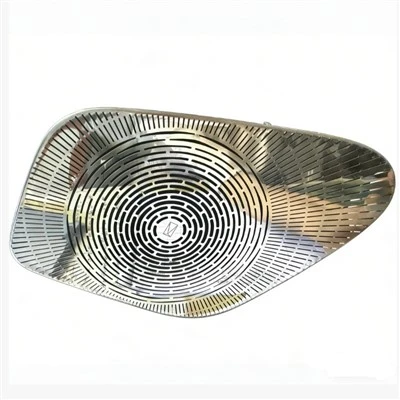
Let’s start with the workhorse of any die casting operation: the die casting machine. These aren’t your grandpa’s foundry ladles (though I still have a dented one from my first year on the job, hanging by the entrance as a reminder). Modern die casting machines come in two main types, each built for different jobs, and picking the wrong one is the quickest way to scrap a run before it even begins. The first type is cold-chamber die casting machines, and we rely on these for 90% of our work. Why? Because we mostly make parts from aluminum, brass, and magnesium—metals that melt at high temperatures, hot enough to damage the chamber if it’s left hot all the time. Cold-chamber machines hold a separate ladle system where we pour molten metal, then use a pneumatic or hydraulic plunger to push it into the mold. The size of these machines is measured in tons, not horsepower, and that tonnage is non-negotiable. For example, a 500-ton machine is light work for small, intricate parts like connector housings, but if you try to cast a 20-pound engine block with it, the metal won’t fill all the mold’s crevices—you’ll get gaps, porosity, and a part that breaks when the client installs it. We run a 1,200-ton machine for our heaviest automotive components, and that thing is a beast: it has the power to clamp a mold so tight, not a single drop of molten metal escapes during injection, even at 30,000 pounds per square inch of pressure. The second type, hot-chamber machines, are for lower-melting-point metals like zinc, which we use for small hardware pieces and decorative trim. These machines have a submerged gooseneck that dips into a pot of molten zinc, so you don’t have to ladle it separately, which is faster for high-volume runs. But again, I always warn clients not to use a hot-chamber machine for aluminum—aluminum eats through the steel components of the gooseneck in days, not years. That’s a rookie mistake, and I’ve seen a few new shops learn it the hard way when they skip the equipment spec sheet to save a buck.
Next up, the die molds themselves—and I know, they’re often lumped into the “equipment” category, and rightfully so. A die isn’t just a block of steel with a hole cut out. It’s precision-machined to tolerances of 0.001 inches, smaller than the thickness of a human hair. For our molds, we use tool steel, specifically H13, because it’s tough enough to withstand thousands of cycles of molten metal and cooling without cracking or warping. The mold has two halves: the core and the cavity, which form the outside and inside of the part, plus ejector pins that push the finished part out without scratching it. What most new die casting clients don’t realize is that the mold has to be perfectly matched to the machine’s tonnage and injection speed. A mold built for a 500-ton machine won’t sit right on a 1,200-ton press, and running it at the wrong speed means the metal will either solidify before it fills the cavity (called a “cold shut”) or trap air that creates tiny bubbles inside the part (porosity). We spend 2-3 days testing every new mold on our matching machine, tweaking the injection pressure and speed until we get a perfect sample—no exceptions. Last year, we got a rush order from a outdoor power tool brand, and they tried to send over a mold they had made at a shop overseas that wasn’t sized right for our 800-ton machine. We had to re-machine the sprue (the channel that feeds metal into the mold) at our own cost, because we knew running it as-is would result in 20% scrap. For a job that was supposed to take a week, that delayed us 3 days, but the client came back three months later with their entire line of parts, because they trusted us not to cut corners on the equipment that makes their parts.
Once the mold is ready, we need a way to heat and cool it, and that’s a piece of equipment almost no new operator thinks about first, but it’s make-or-break for part quality. Die casting isn’t just injecting hot metal into a cold mold—it’s a controlled thermal cycle. If the mold is too cold when we inject, the metal solidifies too fast, leading to uneven parts and surface defects. If it’s too hot, the cycle time drags, and we can’t hit delivery deadlines. We use temperature control units (TCUs) for this, and for aluminum runs, we use water-based TCUs that keep the mold at a steady 300-400 degrees Fahrenheit. For brass, which needs a hotter mold to prevent surface scaling, we use oil-based TCUs that can hit up to 600 degrees. The TCU isn’t just a heater, either—it’s got cooling lines that run through the mold, so after the metal is injected, we can drop the mold temperature fast enough to get a solid part out in 10-20 seconds, depending on the part size. I’ve seen shops skip investing in good TCUs and end up with parts that have inconsistent hardness—one part is strong, the next is weak, leading to field failures that cost clients thousands in recalls. For us, our TCUs are calibrated every week, and we log every mold temperature for every run. That level of detail is what separates a reliable supplier from one that clients only use for small, cheap jobs.
Then there’s the melting and metal handling equipment, and this is where a lot of small die casting shops cut corners, especially when they’re starting out. We use induction furnaces for melting all our non-ferrous metals, and I swear by these over gas-fired furnaces. Induction furnaces heat metal using electromagnetic fields, so they’re more efficient, heat metal evenly, and don’t add impurities from fuel combustion. When you’re casting parts that go into medical devices or automotive engines, those impurities are a big deal—even a tiny bit of iron in aluminum can make it brittle. Our induction furnaces are sized to match our machine capacity: a 200-pound furnace feeds our 500-ton machines, and a 500-pound furnace feeds our 1,200-ton press. We also have a degassing unit, which is a fancy way of saying a machine that blows nitrogen or argon through the molten metal to remove hydrogen gas. That’s critical for preventing porosity—hydrogen gets trapped in the metal when it melts, and if it’s not removed, the part will have bubbles that weaken it. We test every batch of metal for hydrogen content before pouring, and if it’s too high, we run it through the degasser again. Some new shops skip the degasser, but their parts have to be x-rayed later, which costs them more time and money in the long run. We also use automatic ladlers, not manual ones, to pour metal into the cold chamber. Manual ladling can lead to inconsistent metal weight, which changes pressure and cycle time. Our automatic ladler is programmed to pour exactly the right amount of metal every time, so every part is identical. It’s a small piece of equipment, but it’s saved us from so many scrap runs I can’t even count.
After the part is cast, we need trimming and finishing equipment, right? Because the part that comes out of the mold has a tiny excess of metal (called a “flash”) along the mold lines, plus the sprue that fed metal into the part. A lot of suppliers use manual trimming, but we use two types of equipment for this: trimming presses for heavier parts, and vibratory tumblers for small, delicate ones. Trimming presses use a sharp die to cut the flash and sprue off the part in one smooth motion, which is faster and more precise than manual work. For parts that have lots of small crevices, like kitchen hardware handles, we use vibratory tumblers—large barrels filled with ceramic beads and water that shake the parts for hours, smoothing the edges and removing any remaining flash. We also have a shot blaster, which uses small steel beads to blast the parts and give them a uniform matte finish, perfect for parts that get painted or powder-coated. I know some shops do all this manually, but that’s where inconsistencies creep in—one worker will trim too much, another will miss a spot. Our equipment does the same job every time, so we can guarantee a consistent finish even for runs of 10,000 parts.
Wait, I should talk about auxiliary testing equipment too, right? Because equipment isn’t just for making parts—it’s for checking that they meet specs. We have an x-ray machine that we use to inspect every 10th part from a run, to look for hidden porosity or internal defects. We also have a hardness tester, which presses a small indenter into the part to measure how hard it is, so we know it can handle the load it’s designed for. For clients that need parts for outdoor use, we have a salt spray chamber that exposes parts to a salt water mist for hundreds of hours, to test their corrosion resistance. A few months back, a client from the aerospace industry asked us to make parts that had to pass salt spray testing for 500 hours. A shop they used before sent parts that failed after 120 hours, because they skipped the salt spray test and used poor quality surface treatment. Our testing equipment caught that early, and we adjusted our process so the parts passed on the first try. Testing equipment is an investment, but it’s non-negotiable for making sure your parts work when they get to the client.
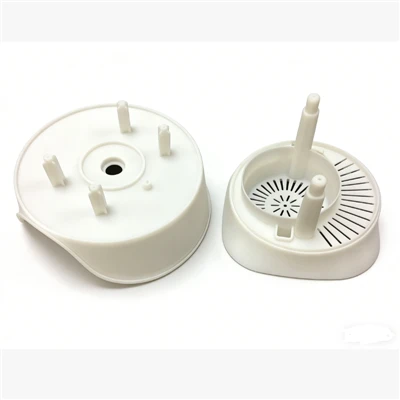
Now, let’s be real—even the best equipment is useless without regular maintenance. That’s a requirement I talk about more than any machine spec. Every morning, one of our maintenance guys goes through every machine, checking oil levels, heating lines, and mold clamps. We do a full preventative maintenance check on every machine once a month, and we replace parts like ejector pins and plunger tips before they wear out. Last year, one of our operators noticed a tiny leak in the cooling line on our 1,200-ton machine during a morning check. If we’d waited a week to fix it, the mold would have overheated, ruining 5,000 parts and damaging the machine’s interior. Maintenance isn’t a chore—it’s how we keep downtime to less than 5% of our production time, which is huge for hitting delivery deadlines. I’ve seen new shops that buy brand new machines, skip maintenance, and end up with a broken press three months later, costing them thousands in lost revenue and delayed orders.
Bending Forming Let me wrap this up, because I know you’re not here just to read a list of machines. At the end of the day, die casting equipment isn’t about having the biggest, shiniest press. It’s about having the right machines matched to your part requirements, maintaining them so they run consistently, and pairing them with the auxiliary equipment that lets you test and finish parts to exact specs. For us, that means we can cast anything from a small electrical connector to a 50-pound automotive engine component, all with the same level of quality. If you’re a product designer, an automotive manufacturer, or a brand looking for a die casting supplier you can trust, we’ve got the equipment and the process to get your parts right, on time, every time. Instead of wasting time fixing scrap or reworking defective parts, let’s sit down and talk through your project—we can walk you through exactly what we’ll use to make your parts, and how we’ll ensure they meet all your needs. I’ve been in this game long enough to know that the best parts come from equipment that’s well-matched, well-maintained, and operated by people who care as much about your product as you do. If you’re ready to take the next step, reach out—we’ll turn your design into a high-quality, durable die cast part that will stand up to whatever you need it for.
References
- Die Casting Industry Association. (2022). Recommended Equipment Specifications for Non-Ferrous Die Casting. National Metalforming Association.
- Kalpakjian, S., & Schmid, S. R. (2020). Manufacturing Processes for Engineering Materials (7th ed.). Pearson Education.
- American Society for Metals. (2019). Die Casting Equipment and Process Control Guide. ASM International.
- International Organization for Standardization. (2021). ISO 80000-7: Metallic Materials for Die Casting – Equipment Requirements. ISO.
- Manufacturing Engineering Association. (2023). Preventative Maintenance Protocols for High-Pressure Die Casting Equipment. MEA Technical Report.
Dongguan Xinchuan Precision Manufacturing Co., Ltd.
As one of the most professional die casting manufacturers and suppliers in China, we offer a quick lead time for customized orders. Please feel free to buy precision die casting made in China here from our factory. Contact us for quotation.
Address: #16 Gangjian Road, Changping Town, Dongguan City, Guangdong, China. 523000
E-mail: FreeQuote@xcprecision.com
WebSite: https://www.xcprecisions.com/
